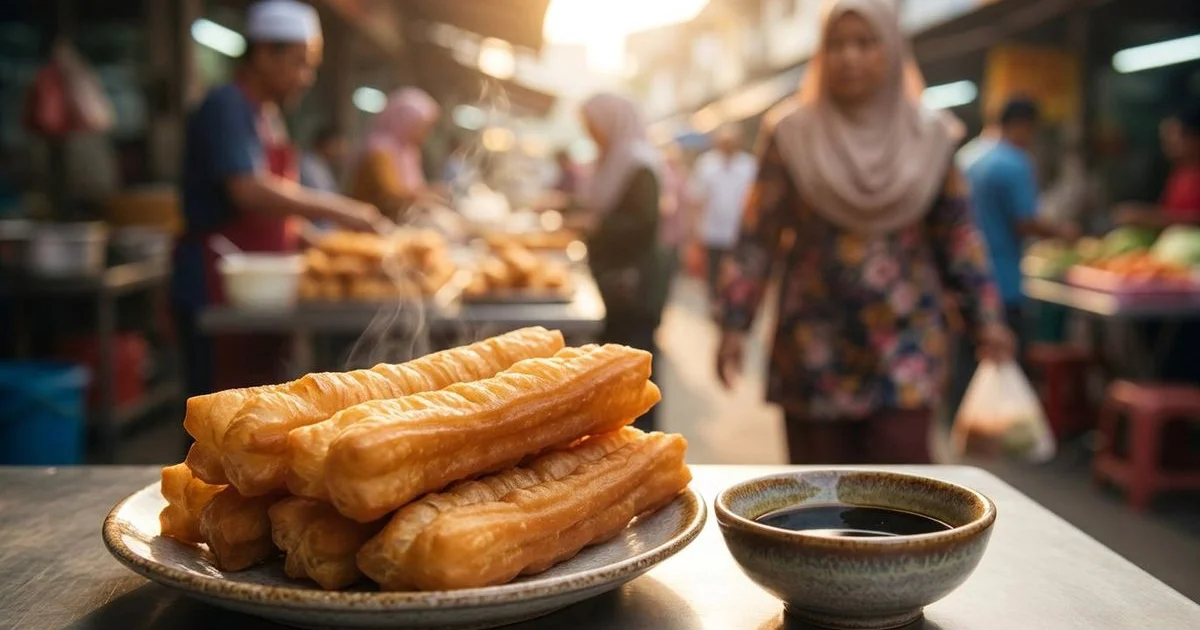
If you have ever wandered through a Malaysian morning market or pasar malam, the aroma of freshly fried dough likely stopped you in your tracks.
That specific, savoury scent belongs to cakoi.
We know it is one of Southeast Asia’s most essential comfort foods.
Locals also know it as cakwe or by its original Chinese name, youtiao.
This golden, deep-fried strip is more than just a quick snack.
It represents a culinary bridge between centuries of history and modern Malaysian cafe culture.
The Origins of Cakoi: A Dish Born from Protest
Cakoi traces its roots back to the Song Dynasty in 1142 AD.
We find the backstory fascinating because this breakfast staple actually began as a form of political dissent.
Legend tells us the shape represents Qin Hui, a treacherous official who framed the beloved General Yue Fei.
The original name, You Zha Hui, translates to “Deep Fried Hui.”
Local vendors shaped dough into two strips joined in the middle to symbolize the traitor and his wife.
Diners would symbolically “fry” the villains in hot oil every morning.
When Chinese immigrants brought this recipe to Nanyang (Southeast Asia), the name evolved.
In Malaysia and Indonesia, the term likely stems from the Minnan dialect pronunciation cha-kway.
We see this evolution in the name as a perfect example of how food adapts to its new home.
The dish is now as quintessentially Malaysian as nasi lemak or teh tarik.
What Makes Great Cakoi: The Science of the Crunch
Not all fried dough is created equal.
We believe the difference between a greasy, dense stick and a magnificent cakoi lies in the chemistry.
Mass-produced versions often skip the necessary fermentation steps to save time.
The Critical Role of Hydration and Aeration
A perfect cakoi requires a high-hydration dough, often exceeding 65% water content.
We rely on a specific interaction between the leavening agents to create the texture.
Traditional recipes use a precise mix of alum, baking soda, and ammonium bicarbonate (chou fen).
This combination releases gas rapidly when it hits the hot oil (around 180°C to 200°C).
The reaction creates those massive internal air pockets that define a good cakoi.
The Texture Test
You should look for a golden-brown crust that shatters slightly upon contact.
We always check the interior for a “honeycomb” structure.
If the inside looks like dense bread, the dough was not allowed to rest long enough.
Proper fermentation relaxes the gluten, allowing the dough to stretch into thin, crispy walls rather than thick, chewy chunks.
Cakoi vs. Western Churros
Many visitors ask us how cakoi differs from Spanish churros.
We created this comparison to help you understand the distinct profile of our local favourite:
| Feature | Malaysian Cakoi | Western Churros |
|---|---|---|
| Leavening Agent | Yeast, Baking Soda, & Ammonia | Eggs or just steam (Choux pastry) |
| Flavour Profile | Savoury, slightly salty, alkaline | Sweet, buttery, vanilla |
| Interior Texture | Airy, large holes, chewy pull | Dense, custard-like, soft |
| Typical Pairing | Porridge, Curry, Kopi O | Chocolate sauce, Cinnamon sugar |
At Soooka Cafe, our favourite cafe in Damansara Perdana, the dough comes from an artisan master.
He has spent 25 years perfecting this specific balance of crispiness and chew.
The result is a texture that stays light and airy, avoiding the oil-logged heaviness found in cheaper versions.
How Cakoi Is Traditionally Served
Malaysians have developed unique ways to enjoy these golden strips.
We see distinct serving styles depending on the time of day and the region.
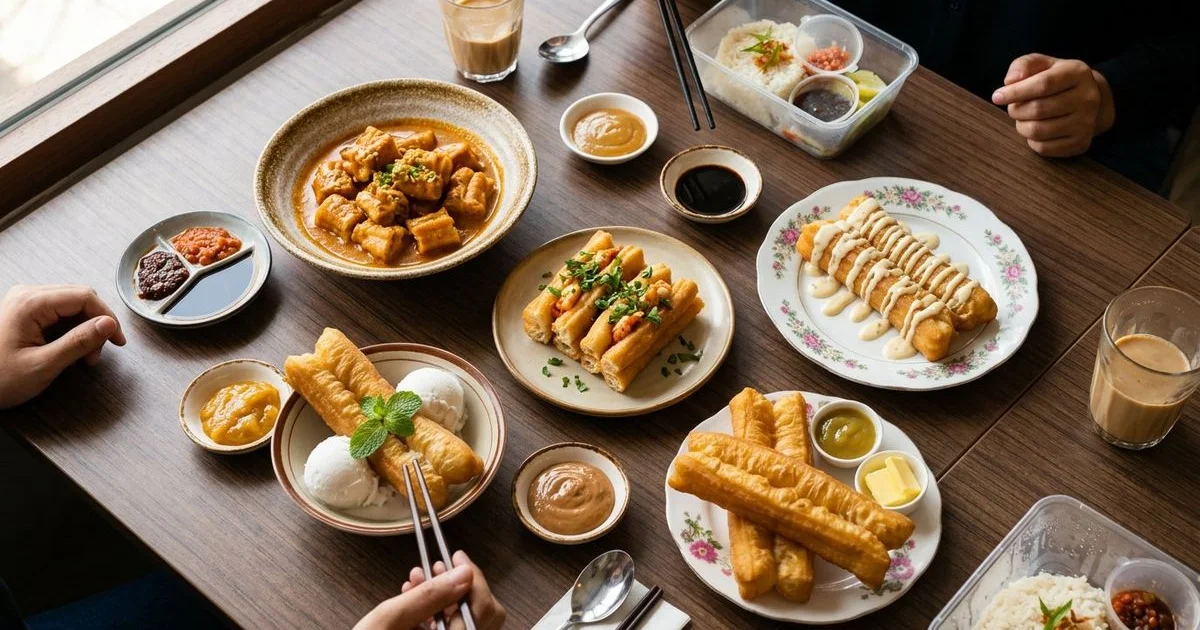
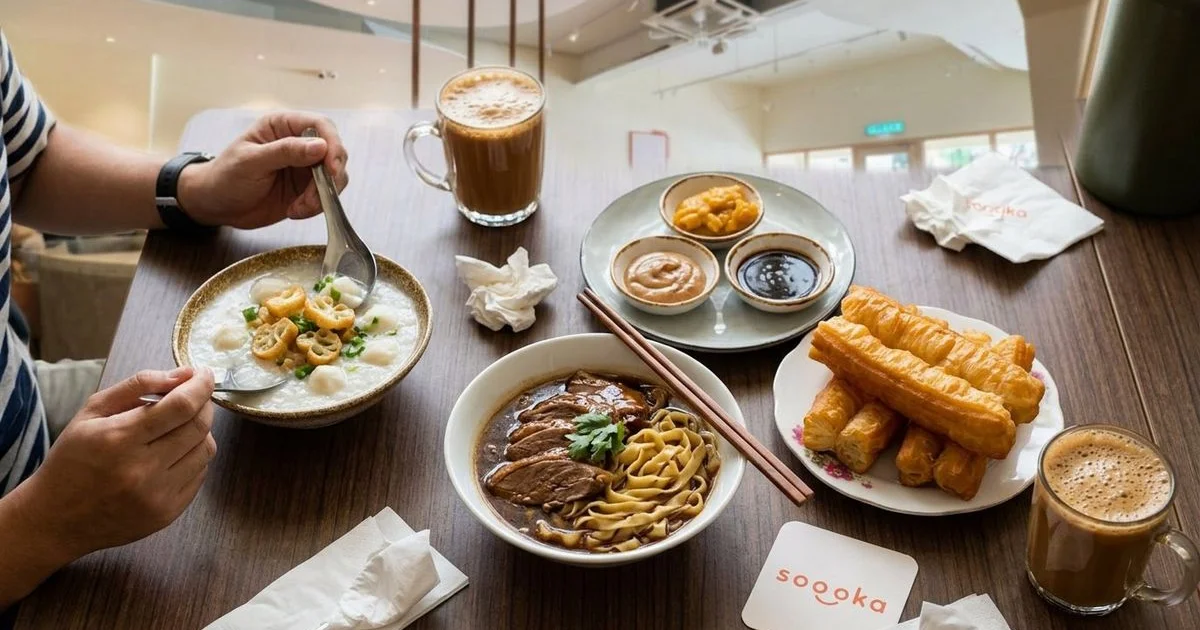
- The Porridge Companion: This is the most classic pairing. You dip crispy cakoi into hot, silky congee creates a satisfying contrast between the crunch and the soft rice gruel.
- Kopi O Dipper: Many older generations enjoy tearing pieces of cakoi and dunking them into black coffee (Kopi O) or milk tea. The salty dough balances the bittersweet coffee perfectly.
- The Curry Soak: This is a lunch or dinner favourite. You allow the porous structure of the cakoi to act like a sponge, soaking up rich chicken curry or fish curry gravy.
- Kap Cheong (Stuffed Cakoi): A sweet and savoury street variation. Vendors sandwich a layer of glutinous rice and red bean paste inside the dough before frying.
Cakoi in Modern Cafe Culture
Soooka honour these traditions while pushing the boundaries of what this ingredient can do.
We founded our cafe in August 2023 with the goal of giving this street food a permanent home in a comfortable setting.
Traditional street vendors are disappearing, so preserving this craft matters to us.
Our signature cakoi menu treats cakoi as a versatile canvas rather than just a side dish.
Savoury Innovations
Garlic Cakoi with Curry Potato is our homage to the classic curry dip.
We brush the dough with a garlic-butter infusion to add aromatic depth.
The accompanying dip uses a complex rempah (spice paste) base that rivals any home-cooked meal.
Sweet Fusions
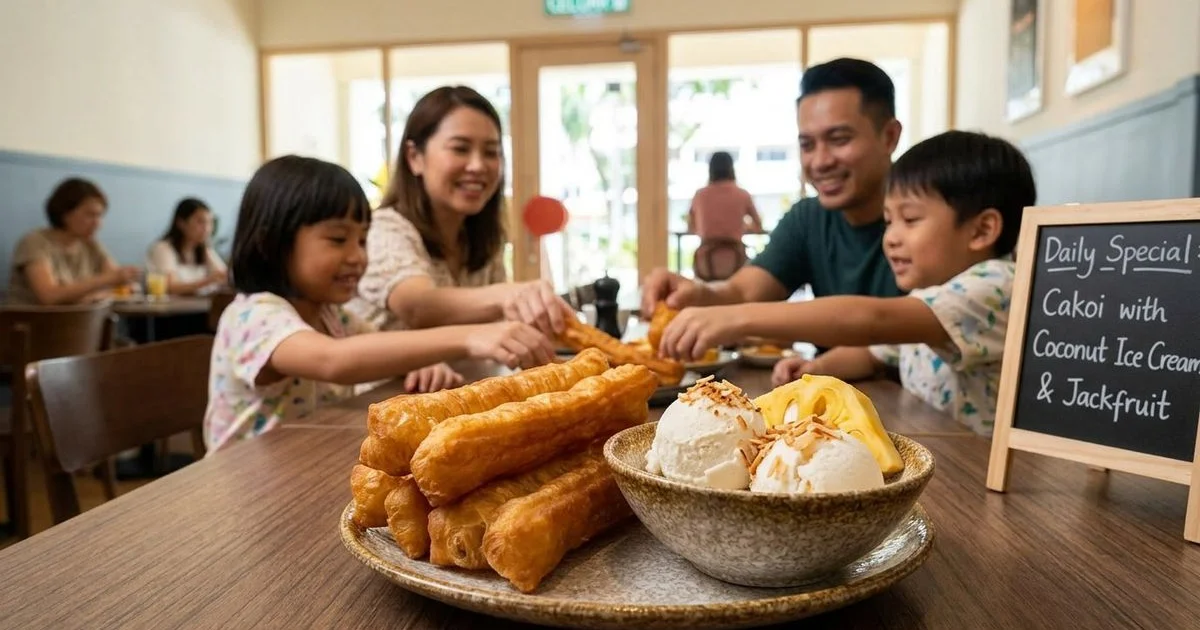
Cakoi with Coconut Ice Cream and Jackfruit bridges the gap between hot and cold.
We find that the hot, salty dough pairs incredibly well with the creamy sweetness of coconut.
It transforms a humble breakfast item into a plated dessert worthy of modern cafe culture.
Why You Should Try Cakoi at Soooka
Experiencing artisan-quality cakoi is an eye-opening experience for both newcomers and lifelong fans.
We ensure that every piece is fried to order, guaranteeing that vital temperature contrast.
The 25 years of expertise embedded in our dough recipe yields a flavour profile you simply cannot get from frozen, factory-made suppliers.
You will notice the difference in the “pull” of the dough and the clean aftertaste.
Come visit us at our Damansara Perdana cafe.
We would love to show you why this ancient street food is having a thoroughly modern moment.
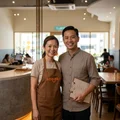
Francis & Esther
Founders & Owners
Francis and Esther are the husband-and-wife team behind Soooka Cafe in Damansara Perdana, Petaling Jaya. Driven by a passion for reimagining Malaysian comfort food, they founded Soooka in 2023 to create a cosy neighbourhood space where heritage flavours meet modern cafe culture.