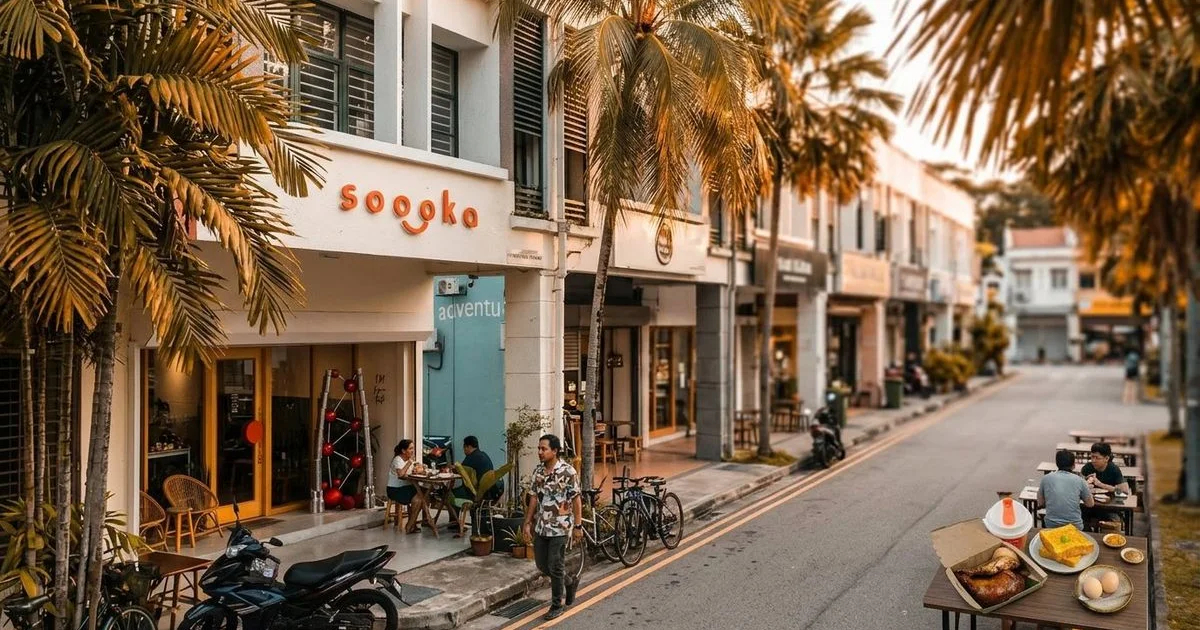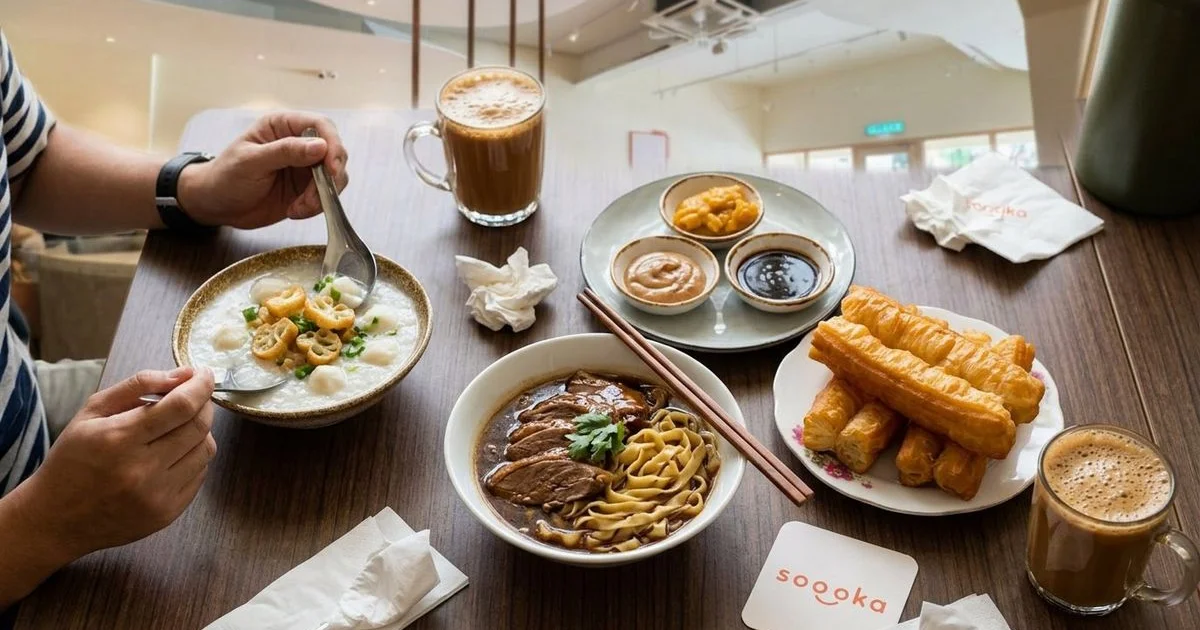
In a world of mass-produced convenience, there is something genuinely radical about making fish balls by hand. We start our mornings at Soooka Cafe in Damansara Perdana with a ritual most modern cafes would never attempt: preparing fresh fish balls from scratch, one small batch at a time.
It is labour-intensive, time-consuming, and absolutely worth it. The difference in quality is something you can taste immediately.
Why Handmade Matters
Walk into any supermarket in Malaysia and you will find packets of factory-produced fish balls. These commercial versions are inexpensive and uniform. But they often come with a hidden cost to quality.
Most factory fish balls rely heavily on surimi, a highly processed fish paste mixed with significant amounts of flour and fillers to cut costs. To maintain that “bouncy” texture for weeks on the shelf, manufacturers frequently use additives like sodium benzoate or even boric acid (a banned but historically common preservative) to mimic freshness.
We take a completely different approach.
| Feature | Factory-Made Fish Balls | Our Handmade Fish Balls |
|---|---|---|
| Primary Ingredient | Frozen Surimi Paste | Fresh Ikan Parang & Ikan Tenggiri |
| Texture Source | Chemical binders & heavy starch | Natural protein (Myosin) activation |
| Flavour Profile | Artificial sweetness, rubbery | Clean, natural seafood sweetness |
| Preservatives | Benzoic Acid, Phosphates | None (Made fresh daily) |
Our fish balls have a natural, springy snap that comes purely from the protein structure of fresh fish. You get a clean, sweet seafood flavour without the rubbery, artificial bounce of industrial fillers.
Selecting the Fish
The process begins long before we enter the kitchen. We source our fish directly from trusted local suppliers who know that “fresh” is our only standard.
For the perfect texture, we use a specific blend of Wolf Herring (Ikan Parang) and Spanish Mackerel (Ikan Tenggiri). Ikan Parang is prized in the industry for providing that legendary “bounce,” while Ikan Tenggiri contributes a sweeter, meatier depth.
Freshness is non-negotiable. Even a fish that is six hours old can lose the protein integrity needed for a good ball. Our team inspects every fish for clear, bulging eyes and bright red gills. If the flesh does not spring back instantly when pressed, we reject it.
The Preparation Process
Once the fish arrives, the real work begins. We clean, fillet, and carefully debone every fish by hand.
This is where the “insider” technique comes into play. Instead of grinding the meat with a machine which can introduce heat and crush the bones into the paste, we use the traditional method of spoon-scraping. We gently scrape the meat off the bone with a spoon. This ensures no fine bones make it into the mix and keeps the muscle fibres intact for better texture.
The Science of the “Bounce”
The secret to that signature springiness isn’t starch; it is temperature control and salt. We keep our mixing bowl set in a bed of crushed ice throughout the entire process to keep the paste below 10°C.
If the temperature rises, the proteins start to cook prematurely, resulting in a mushy texture known as “modung.” We add a precise amount of salt to the cold paste. This activates the myosin proteins, causing them to uncoil and link together.
You have to work the paste physically—folding, slapping, and throwing it against the bowl—to strengthen this protein network. It takes about 15 to 20 minutes of continuous hand mixing to get it right. You know it is ready when the paste turns shiny and defies gravity, sticking firmly to the overturned bowl.
Shaping Each Ball
With the paste prepared, it is time for shaping. We form each fish ball by squeezing the paste through the gap between the thumb and forefinger.
This traditional “squeeze and scoop” technique produces a smooth surface that seals in the juices. Unlike machine-moulded spheres, our hand-shaped balls have slight organic irregularities.
These small variations create a more interesting mouthfeel. You get a firmer snap on the exterior and a softer, more delicate interior. We drop them immediately into a warm water bath to “set” the shape before gently poaching them. They are perfectly cooked the moment they float to the surface.
Building the Porridge
The fish balls are the star, but the porridge itself is the stage. We do not serve the thick, gluey style of porridge often found in fast-food chains.
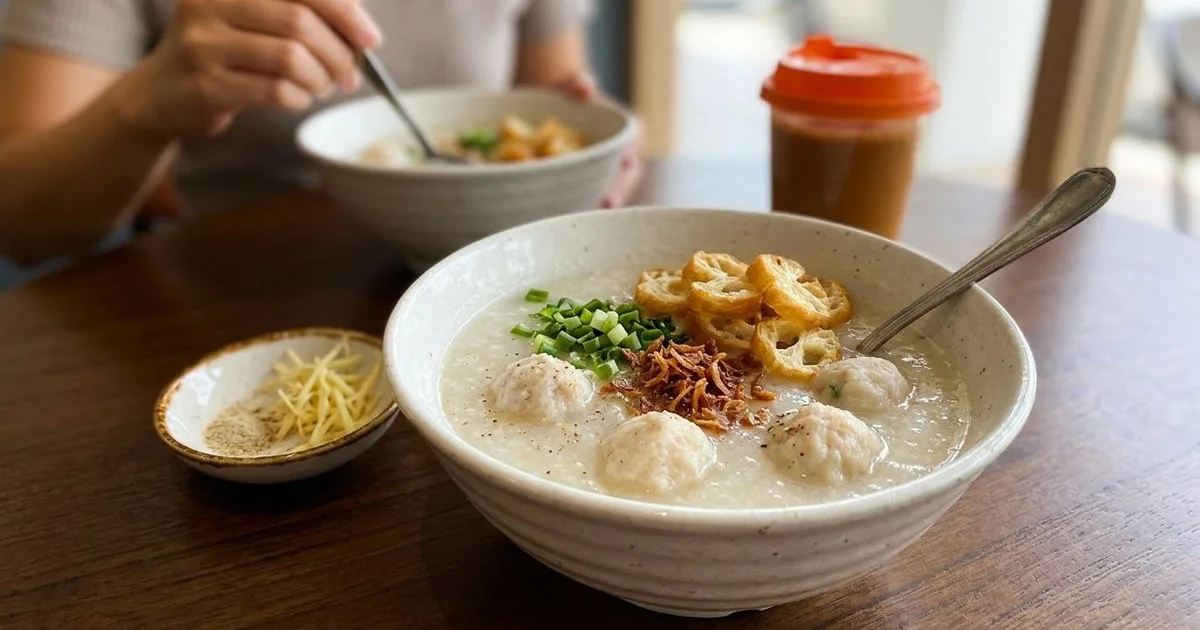
Our version is a Cantonese-style congee. It is smooth, silky, and almost creamy.
Achieving this consistency requires patience and the right ratio. We simmer Thai Jasmine rice with our house-made fish bone stock for over four hours. The goal is to get the rice grains to “bloom” or completely dissolve into the liquid.
This releases the natural rice starches, creating a velvety texture that coats the back of your spoon. The stock, made from the Ikan Tenggiri bones we saved from the prep process, infuses the porridge with a subtle, savoury depth that water alone cannot provide.
The Final Bowl
When you order, we bring all these elements together. A generous ladle of hot, silky porridge goes into the bowl first.
We arrange four or five freshly poached fish balls on top. Then come the essential garnishes: sliced spring onions for freshness, fried shallots for crunch, and a drizzle of sesame oil for aroma.
The Cakoi Factor
And then there is the cakoi (youtiao). We serve our porridge with a side of these golden, fried dough sticks.
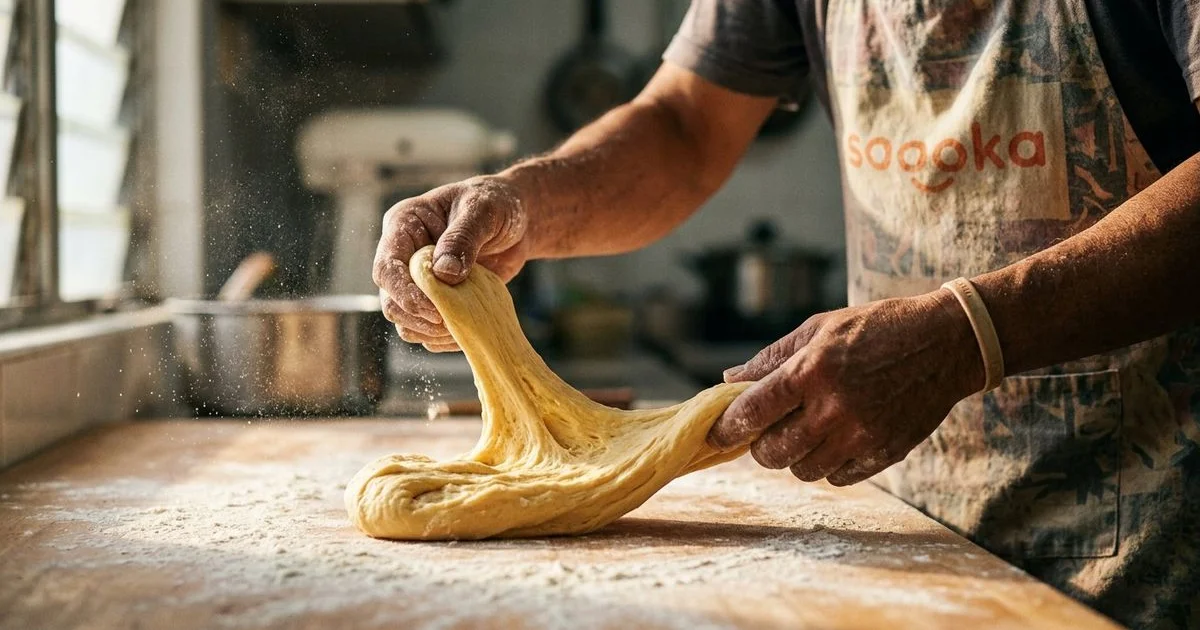
We do not make these ourselves. Instead, we source them from a specialist vendor with over 20 years of experience who makes them fresh for us daily. They are ammonia-free and have the perfect balance of a crispy shell and a fluffy, airy centre.
Dip a piece of cakoi into the hot porridge. Let it soak up the savoury stock for a second. That combination of silky porridge, bouncy fish ball, and crunchy-soaked dough is the ultimate comfort food experience.
A Daily Commitment
Making fish balls by hand every morning is not the easy choice. It would be far simpler to buy a bulk bag of frozen balls for a fraction of the cost.
But we remember the customer who told us, “This tastes like the ones my grandmother used to make.”
That reaction is why we do it. At Soooka Cafe—named after the Malay word “suka,” meaning “to like”—our goal is to make food that brings genuine joy.
You can taste the difference that effort makes. Come visit us in Damansara Perdana and try a bowl for yourself. We believe you will agree that the extra work is absolutely worth it.
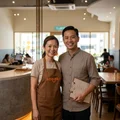
Francis & Esther
Founders & Owners
Francis and Esther are the husband-and-wife team behind Soooka Cafe in Damansara Perdana, Petaling Jaya. Driven by a passion for reimagining Malaysian comfort food, they founded Soooka in 2023 to create a cosy neighbourhood space where heritage flavours meet modern cafe culture.